
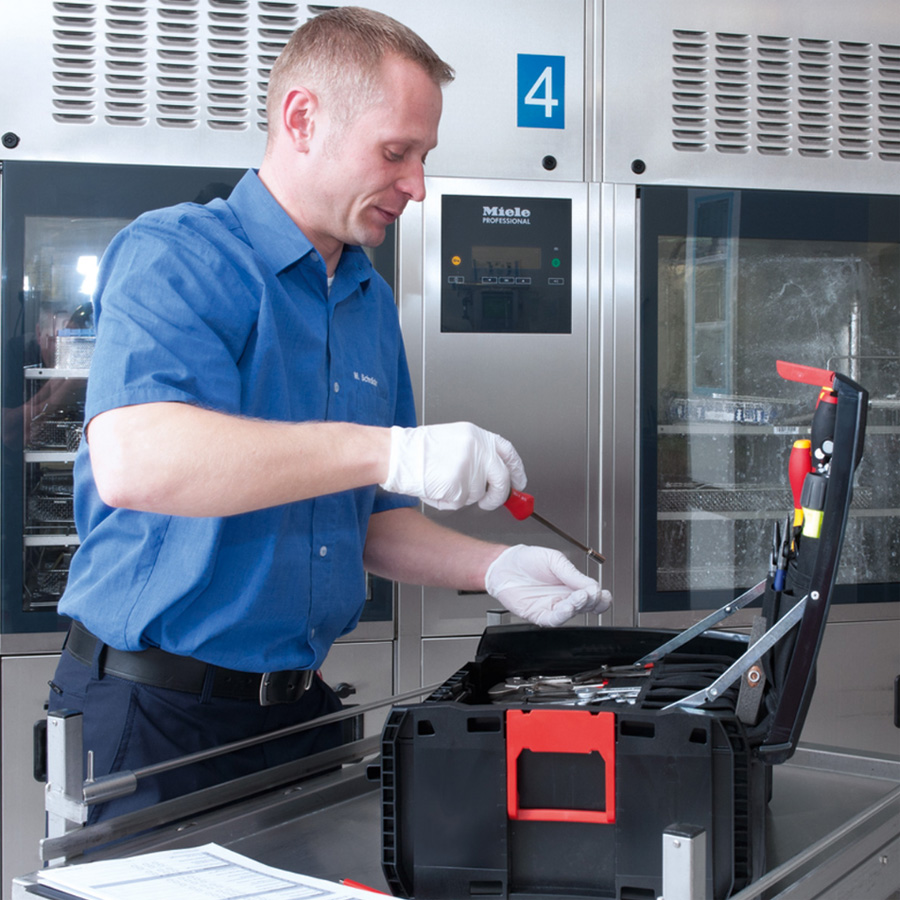
Industrial laundry machines are the backbone of many businesses. From hotels and care homes to schools, gyms and veterinary practices, these machines work hard every day to keep operations running smoothly. However, even the most advanced commercial washing machines and tumble dryers will not perform at their best without proper maintenance and regular servicing.
Neglecting upkeep can result in higher energy bills, poor wash quality, frequent breakdowns and costly downtime. This guide explains why maintenance is essential, what it involves, and how professional servicing protects your investment.
Why Maintenance Is So Important
Industrial laundry equipment is designed for heavy use, but it is not indestructible. Every wash cycle puts strain on motors, bearings, belts, seals and heating elements. Over time, dirt, limescale and detergent residue build up inside the machine, affecting performance and hygiene.
When routine maintenance is ignored, small issues quietly develop into major faults. A loose belt today could become a snapped belt tomorrow. A clogged filter might lead to pump failure. A blocked dryer vent can cause overheating or even fire risks.
Regular maintenance prevents these problems and ensures machines continue to deliver reliable performance.
Reduced Breakdown Risk
One of the biggest frustrations for any business is unexpected downtime. A broken washing machine can bring an entire operation to a halt, especially in environments where clean linen or uniforms are essential.
Routine servicing identifies worn parts before they fail. Engineers can spot leaks, vibration issues, electrical faults or calibration errors long before they cause serious disruption. This proactive approach significantly reduces the likelihood of emergency call-outs.
Improved Cleaning Results
Poorly maintained machines do not clean effectively. Blocked jets, faulty temperature controls and detergent build-up inside the drum can all lead to unsatisfactory wash results.
In care homes and healthcare settings, this can compromise hygiene standards. In hotels, it can lead to guest complaints about musty-smelling towels or grey-looking bedding. Proper servicing ensures machines wash at the correct temperatures and rinse thoroughly every time.
Lower Energy and Water Costs
An inefficient machine costs you money with every cycle. Heating elements coated in limescale require more electricity to reach the correct temperature. Worn seals allow water to escape. Sensors that are out of calibration cause machines to run longer than necessary.
Routine maintenance restores efficiency, helping you keep energy and water usage under control. Over the course of a year, the savings can be substantial.
What Does Industrial Laundry Servicing Involve?
A professional servicing visit is far more than a quick look at the machine. It typically includes:
-
Inspection of belts, motors, bearings and pulleys
-
Cleaning filters, pumps and water inlets
-
Checking heating elements and thermostats
-
Testing electrical systems and safety components
-
Descaling internal components where required
-
Calibrating sensors and wash programmes
-
Inspecting dryer vents and airflow systems
These checks ensure the entire system operates safely, efficiently and reliably.
Daily and Weekly Maintenance Tasks
While professional servicing is essential, there are also simple steps your staff can take to keep machines in good condition between engineer visits.
Daily checks should include:
-
Removing lint from dryer filters
-
Checking for leaks or unusual noises
-
Wiping down door seals and detergent drawers
Weekly tasks might include:
-
Inspecting hoses for wear or cracks
-
Cleaning detergent dispensers
-
Checking that vents and exhausts are clear
These small actions take minutes but prevent many common faults.
How Often Should Machines Be Serviced?
The frequency of professional servicing depends on how heavily the machines are used. A hotel running machines constantly may require quarterly servicing, while a school with lighter usage might only need two visits per year.
An experienced provider will recommend a servicing schedule based on your workload, environment and equipment type.
The Cost of Ignoring Servicing
Some businesses delay servicing to save money, but this is almost always a false economy. Emergency repairs are significantly more expensive than routine maintenance. In addition to repair costs, there is the hidden expense of:
-
Staff downtime
-
Delayed operations
-
Customer dissatisfaction
-
Potential hygiene or compliance breaches
In regulated sectors such as healthcare, these risks can have serious consequences.
Extending the Life of Your Equipment
Industrial laundry machines are a long-term investment. With proper care, they can operate reliably for many years beyond their expected lifespan.
A well-maintained machine retains better resale value and reduces the need for premature replacement. Over time, this can save tens of thousands of pounds across a fleet of equipment.
Why Professional Support Makes the Difference
While basic cleaning can be handled in-house, only trained engineers can safely service internal components. Working with specialists such as Maxwell Adam means your machines are looked after by technicians who understand the equipment inside out.
Their engineers use manufacturer-approved parts, follow correct procedures and provide expert advice on optimising performance.
Final Thoughts
Maintaining and servicing industrial laundry machines is not optional – it is essential. Regular care protects your investment, reduces costs, ensures compliance and keeps your business running without interruption.
By combining daily checks, scheduled professional servicing and expert support, you create a laundry operation that is efficient, hygienic and reliable year after year.