
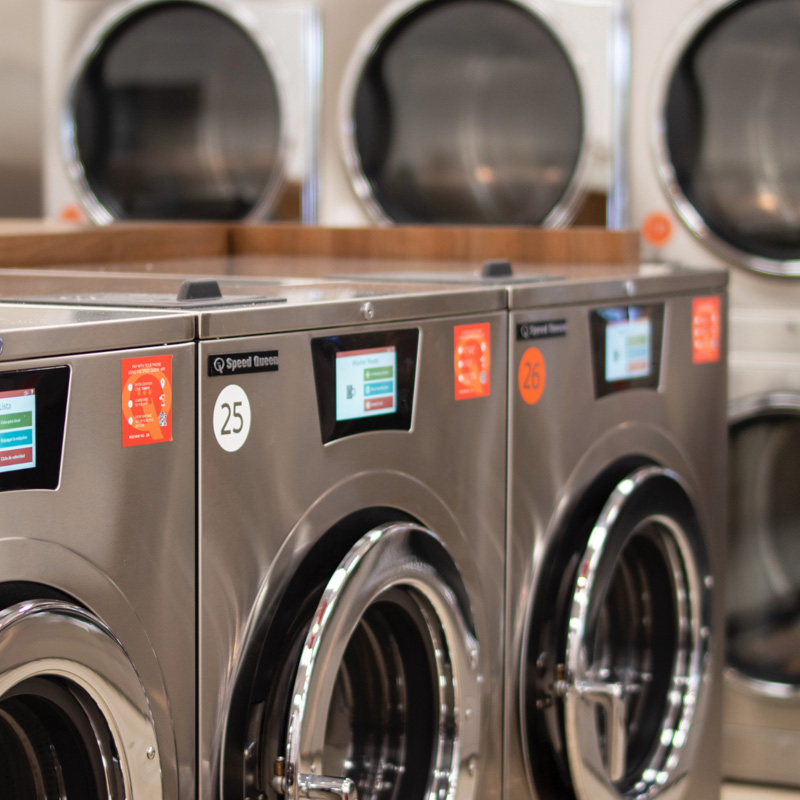
For many businesses, laundry is one of the biggest hidden costs. Between electricity, water, heating, detergents and labour, inefficient systems quietly drain budgets every day. Whether you run a hotel, care home, gym, school or veterinary practice, investing in energy-efficient laundry equipment is one of the most effective ways to reduce overheads without compromising performance.
This guide explains how modern commercial laundry machines save money, what features to look for, and how smarter processes can dramatically cut your running costs.
The Real Cost of Inefficient Laundry
Older machines were built at a time when energy prices were low and environmental concerns were not at the forefront. They typically use:
-
More water per cycle
-
Higher energy to heat water
-
Longer drying times
-
Less precise controls
This results in higher monthly utility bills and increased wear on components. Over a year, the cost difference between outdated equipment and modern energy-efficient alternatives can be substantial.
How Modern Machines Use Less Water
Today’s commercial washing machines are designed to minimise water usage without compromising cleanliness. Advanced drum designs lift and drop laundry more effectively, meaning less water is needed to achieve the same wash quality.
Many machines now feature load-sensing technology. This detects how much laundry is in the drum and automatically adjusts the water level, preventing waste during smaller loads.
Faster Spin Speeds Reduce Drying Costs
One of the biggest energy drains in any laundry operation is tumble drying. Modern washing machines extract more moisture during the final spin cycle, reducing the time required in the dryer.
This has a double benefit:
-
Shorter drying cycles mean lower electricity or gas usage.
-
Reduced heat exposure extends the lifespan of fabrics.
When multiplied across hundreds or thousands of loads each year, these savings quickly add up.
Intelligent Heat Management
Energy-efficient commercial dryers are equipped with moisture sensors that stop the cycle as soon as laundry is dry. This avoids the common problem of over-drying, which wastes energy and damages textiles.
Some advanced systems also recycle warm air rather than venting it straight outside, retaining heat and cutting overall energy consumption.
Smarter Wash Programmes
Modern machines offer programmable cycles tailored to different fabric types and soil levels. This allows businesses to:
-
Use lower temperatures where appropriate
-
Avoid unnecessarily long cycles
-
Customise settings for bedding, towels, uniforms and specialist garments
Not every load needs to be washed at high temperatures for extended periods. Smart programming ensures each cycle uses only the energy it actually requires.
The Role of Detergents and Chemistry
Energy efficiency is not only about machines. Using the right detergents can significantly reduce the need for high-temperature washing. Many professional detergents are designed to work effectively at lower temperatures, maintaining hygiene standards while reducing heating costs.
A specialist laundry provider can advise on chemical systems that work hand-in-hand with your equipment to maximise efficiency.
Water Recycling Systems
Some commercial laundry setups include water recovery systems that capture and reuse rinse water for pre-wash stages. This can dramatically reduce overall water consumption, particularly in high-volume operations such as hotels and care homes.
While these systems require an upfront investment, the long-term savings are often impressive.
Reduced Maintenance Costs
Energy-efficient machines tend to run smoother, experience less strain and suffer fewer breakdowns. Components such as motors, bearings and heating elements are designed to operate more effectively, reducing wear and tear.
This leads to:
-
Fewer emergency repairs
-
Lower servicing costs
-
Longer equipment lifespan
All of which contribute to lower total ownership costs.
Environmental Benefits That Matter
Beyond financial savings, efficient laundry systems also reduce environmental impact. Lower water and energy consumption means reduced carbon emissions and a smaller environmental footprint.
This is increasingly important for organisations that want to demonstrate corporate responsibility or meet sustainability targets.
How to Transition to an Energy-Efficient Setup
Switching to modern laundry equipment does not have to be disruptive. An experienced supplier such as Maxwell Adam will assess your current setup, identify inefficiencies and recommend solutions that fit your space, workload and budget.
This may involve:
-
Replacing outdated machines with energy-efficient models
-
Introducing smarter programming and training staff
-
Upgrading ventilation or heat recovery systems
-
Implementing regular servicing to maintain efficiency
Final Thoughts
Energy-efficient laundry solutions are not a luxury – they are a necessity for businesses looking to control costs and operate responsibly. Modern commercial washing machines and tumble dryers use less water, less energy and deliver better results, all while extending the life of your fabrics and equipment.
By investing in the right technology today, you are not just saving money tomorrow – you are future-proofing your operation for years to come.