
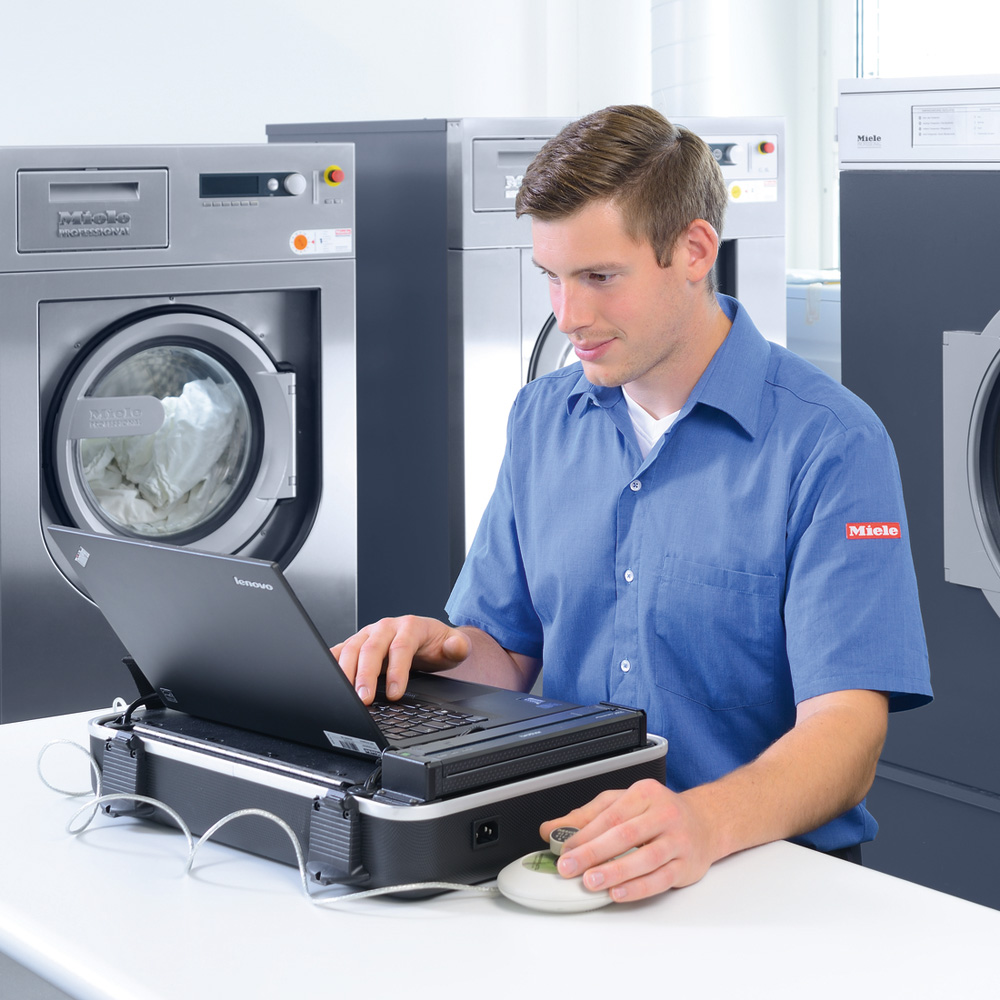
Choosing the right commercial laundry equipment is one of the most important decisions a business can make. Whether you operate a hotel, care home, school, veterinary practice, gym or industrial workplace, your laundry process plays a huge role in day-to-day efficiency, hygiene standards and running costs. Getting it wrong can lead to constant breakdowns, rising energy bills and frustrated staff. Getting it right creates a smoother operation that saves time, money and stress.
This guide explains what to look for when selecting commercial laundry equipment and why working with an experienced supplier such as Maxwell Adam can make all the difference.
Understand Your Laundry Requirements
The first step is understanding how much laundry your business really produces. Many organisations underestimate their daily or weekly load, leading to machines that are too small or not durable enough for real-world use.
Ask yourself:
-
How many loads do we process per day or week?
-
What type of items are being washed – bedding, towels, workwear, uniforms, table linen?
-
Are there peak periods when volumes are much higher?
-
How quickly does laundry need to be turned around?
A hotel will often need fast, high-capacity machines to manage peak weekend occupancy. A care home may have a constant flow of bedding and clothing, requiring machines that can cope with continuous daily use. A school or sports club may need flexibility to manage heavy, muddy or sweat-soaked garments.
Choose Equipment Built for Commercial Use
Domestic washing machines are not designed to handle heavy use. They are built for a few loads a week, not dozens every day. Commercial washing machines and tumble dryers are engineered to cope with:
-
Long daily operating hours
-
Heavy loads and specialist fabrics
-
Higher spin speeds for quicker drying
-
Robust components that last for years rather than months
They also deliver far better cleaning results, which is essential in sectors such as healthcare, hospitality and food service where hygiene is non-negotiable.
Capacity Matters More Than You Think
Capacity is not just about the size of the drum. It affects your workflow, staffing time and energy usage. A machine that is too small will force your team to run endless cycles, increasing wear and tear and energy consumption. A machine that is too large may waste water and electricity when loads are only half full.
The key is balance. Commercial suppliers like Maxwell Adam assess your operation and recommend the right capacity to match your actual laundry volumes, not just what looks impressive on paper.
Consider Energy and Water Efficiency
Modern commercial laundry machines are far more efficient than older models. Investing in energy-efficient equipment can significantly reduce:
-
Electricity bills
-
Water usage
-
Carbon footprint
Features such as heat recovery systems, optimised wash cycles and advanced moisture sensors in tumble dryers all contribute to long-term savings. While efficient machines may have a higher upfront cost, they usually pay for themselves within a few years through reduced utility bills.
Think About Hygiene and Compliance
Certain industries have strict hygiene standards that must be met. Care homes, hospitals and veterinary clinics often require specialist features such as barrier washers or programmed disinfection cycles.
Barrier washing machines are designed to prevent cross-contamination by separating dirty and clean areas. This is essential in environments where infection control is a top priority. Failing to meet these requirements can lead to compliance issues, reputational damage and serious health risks.
Plan for Installation and Space
Commercial laundry equipment is heavier, larger and more complex than domestic machines. Before choosing your system, it is vital to consider:
-
Floor loading and structural requirements
-
Electrical supply and water pressure
-
Ventilation and drainage
-
Available floor space and access routes
An experienced provider will carry out a site survey to ensure the machines fit your premises properly and can be installed safely and efficiently.
Maintenance and Servicing Are Not Optional
Even the best machines will eventually break down if they are not maintained correctly. Regular servicing keeps equipment running efficiently and reduces the risk of sudden failures that disrupt your business.
When choosing your supplier, look for one that offers ongoing maintenance contracts and rapid response support. A reliable servicing partner can extend the lifespan of your machines by years and prevent small issues from becoming costly emergencies.
Should You Rent or Buy?
Some businesses prefer to buy their equipment outright, while others choose to rent. Both options have advantages.
Buying is ideal if you want full ownership and plan to use the machines for many years. Renting is often attractive for new businesses or organisations that want predictable monthly costs, built-in servicing and easier upgrades as technology evolves.
A professional laundry provider will talk you through both options and help you decide which suits your budget and growth plans.
Why Expertise Matters
Commercial laundry is not just about selling machines. It is about designing a system that works for your business now and in the future. From care homes in Dorset to hotels in Somerset, the right setup depends on your workload, space, compliance requirements and budget.
Working with specialists such as Maxwell Adam ensures you receive tailored advice, professional installation and long-term support. Instead of guessing, you gain a partner who understands your sector and builds a solution around your needs.
Final Thoughts
Choosing the right commercial laundry equipment is an investment in the efficiency, hygiene and profitability of your business. By carefully assessing your needs, selecting robust and efficient machines, planning for compliance and ongoing servicing, and working with an experienced supplier, you can create a laundry system that works seamlessly day after day.
A well-designed laundry operation does more than clean fabrics – it saves time, protects staff, enhances customer experience and supports long-term growth.