
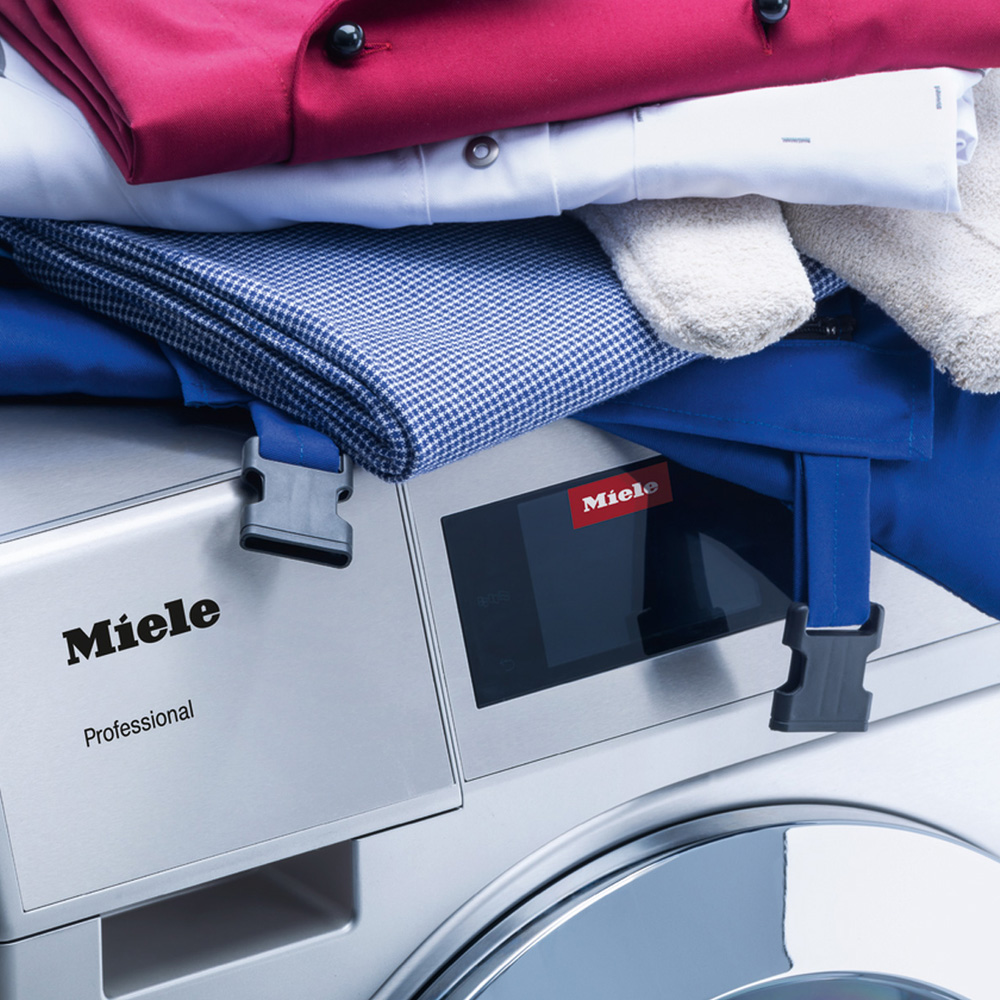
No two organisations have the same laundry needs. A primary school washing sports kits, a hospital processing contaminated bedding and a busy hotel turning over hundreds of rooms a week all require completely different approaches. Treating them the same is a recipe for inefficiency, rising costs and avoidable risk.
Tailored commercial laundry solutions recognise that each sector faces its own pressures. By designing systems around real workloads, space constraints and hygiene requirements, businesses can achieve better results while controlling costs.
This article explores why tailored solutions matter and how bespoke systems improve performance in schools, hospitals and hospitality settings.
Why a One-Size-Fits-All Approach Fails
Generic laundry systems often lead to common problems:
-
Machines that are too small or overloaded
-
Poor wash quality due to inappropriate programmes
-
Energy waste from oversized or inefficient equipment
-
High breakdown rates caused by overuse
-
Compliance risks where hygiene standards are not met
A tailored solution starts with understanding exactly how the laundry operation functions day to day.
Laundry in Schools
Schools face unique challenges. From muddy PE kits and art aprons to staff uniforms and cleaning cloths, the type and volume of laundry can vary dramatically throughout the year.
A tailored system for a school typically includes:
-
Medium-capacity machines capable of handling mixed loads
-
Programmable cycles designed for heavily soiled garments
-
Energy-efficient models that reduce long-term running costs
-
Flexible layouts that fit within limited plant room space
Schools also benefit from robust machines that can cope with bursts of high demand during term time without constant breakdowns.
Laundry in Hospitals and Healthcare Settings
Hospitals and healthcare facilities operate under some of the strictest hygiene standards in any industry. Here, laundry is directly linked to patient safety.
Tailored solutions for healthcare environments often feature:
-
Barrier washers that separate dirty and clean areas
-
Disinfection programmes that reliably achieve required temperatures
-
High-capacity machines to manage continuous daily loads
-
Integrated data systems that provide compliance records
These systems are designed not just to clean fabrics but to eliminate harmful pathogens and prevent cross-contamination.
Laundry in Hospitality Businesses
Hotels, guest houses and leisure venues operate in a world of fluctuating demand. Peak seasons, weddings and conferences can triple laundry volumes overnight.
A bespoke hospitality laundry setup focuses on:
-
High-speed extraction washing machines to reduce drying time
-
Moisture-sensing tumble dryers that prevent over-drying
-
Layouts that optimise workflow and minimise staff movement
-
Energy-efficient equipment to control operating costs
This ensures clean linen is always available, even at the busiest times.
The Importance of Site Surveys
A tailored solution begins with a site survey. This involves assessing:
-
Available space
-
Drainage and ventilation
-
Electrical and water supply
-
Workflow patterns
-
Peak and off-peak demand
By understanding these factors, specialists such as Maxwell Adam design systems that integrate seamlessly into existing operations.
Flexible Ownership Models
Some organisations benefit from buying their equipment outright, while others prefer rental agreements that include servicing and repairs. A tailored solution considers financial constraints as well as operational needs.
Long-Term Benefits of Customised Systems
Tailored laundry solutions deliver long-term value by:
-
Improving efficiency
-
Reducing breakdowns
-
Enhancing hygiene compliance
-
Lowering energy and water costs
-
Extending equipment lifespan
These advantages compound year after year, making bespoke systems a sound strategic investment.
Final Thoughts
Schools, hospitals and hospitality businesses all rely on laundry, but each in very different ways. A tailored commercial laundry solution respects these differences and designs systems around real needs rather than assumptions.
By working with experienced specialists, organisations can create laundry operations that are efficient, compliant and built to grow with the business.